
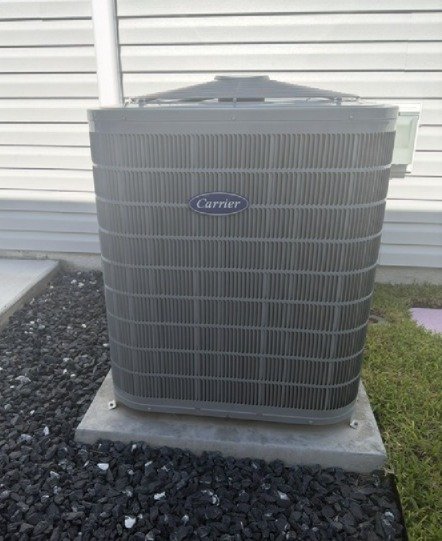

HVAC drain line clogs are one of the most common yet overlooked maintenance issues in Florida homes.
When most homeowners think about protecting their property while they’re away, they focus on locking doors, adjusting the thermostat, or arranging for mail collection. One area that’s often overlooked is the air conditioning system—specifically the condensate drain line.
Although it’s a relatively small component, HVAC drain line clogs can create problems that may go unnoticed in an unoccupied home. During Florida’s hot and humid summer months, understanding this common issue can help homeowners stay proactive and enjoy greater peace of mind while they’re away.
What Does an HVAC Drain Line Do?
Your air conditioner doesn’t just cool your home—it also removes moisture from the air.
As warm air passes over the evaporator coil, condensation forms and drains away through a small pipe called the condensate drain line. Under normal conditions, this process happens automatically and most homeowners never give it a second thought.
Over time, however, algae, mold, dirt, and other debris can accumulate inside the line, slowing or preventing proper drainage.
Why HVAC Drain Line Clogs Are So Common in Florida
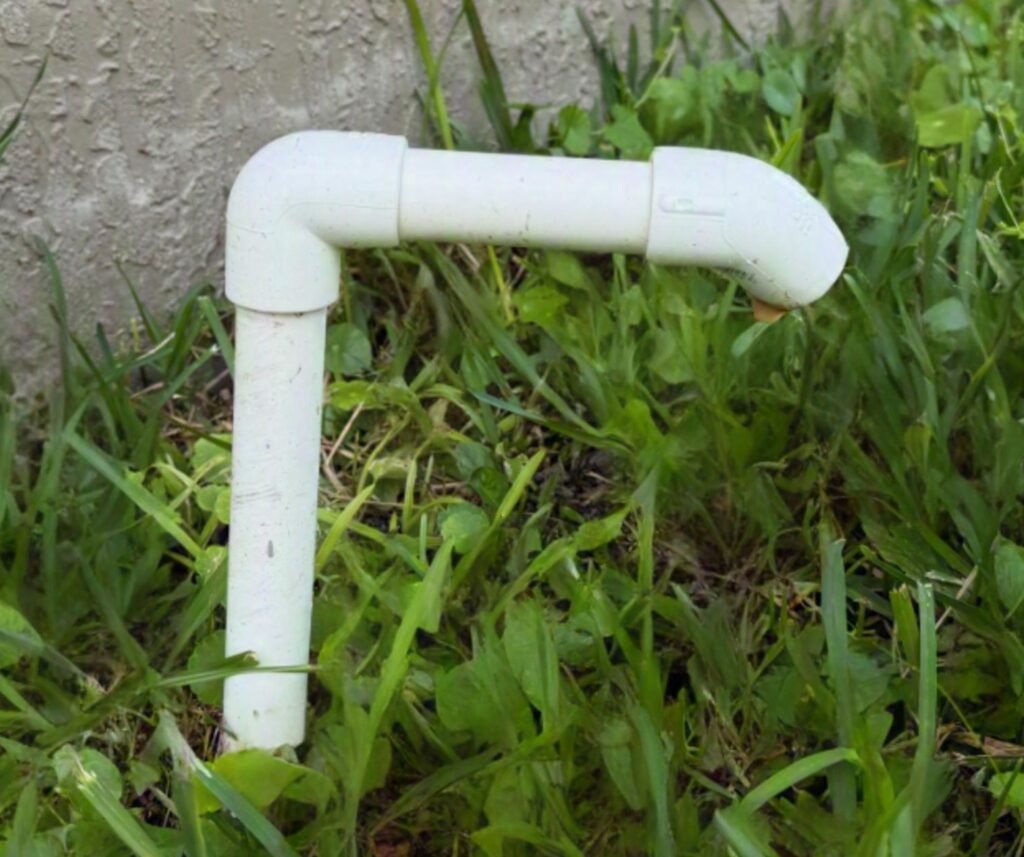
Florida’s climate creates ideal conditions for condensate drain line buildup.
Because air conditioners often run for much of the day, especially during the summer, they generate a constant flow of condensation. Combined with warm temperatures and high humidity, this environment encourages algae and organic growth inside the drain line.
Without routine maintenance, that buildup can eventually restrict the flow of water.
What Can Happen If the Drain Line Becomes Blocked?
Many modern HVAC systems include safety mechanisms designed to help prevent overflow, but every installation is different.
If water cannot drain properly, homeowners may notice:
- Water collecting in or around the drain pan
- Moisture near the indoor air handler
- Musty odors
- Elevated indoor humidity
- Air conditioning interruptions if protective switches activate
If these signs are left unnoticed for an extended period, additional problems may develop depending on the circumstances.
Why Vacant Homes Are More Vulnerable
When you’re living in your home, small changes are often easy to spot. A damp floor, unusual smell, or visible moisture may prompt you to investigate before the issue becomes more serious.
When a property is vacant for weeks or months, those early warning signs can go unnoticed.
That’s one reason seasonal homeowners in The Villages often appreciate having someone check on their property regularly while they’re away. Routine visual inspections provide another opportunity to identify visible changes and notify the homeowner promptly if something appears unusual.
Signs That May Indicate a Drain Line Problem
While only a qualified HVAC technician can diagnose a system issue, homeowners should be aware of common warning signs, including:
- Water where it shouldn’t be
- Dampness around the indoor HVAC unit
- Standing water in the drain pan
- Persistent musty odors
- Unexpected indoor humidity
- Air conditioning that is not operating normally
Any of these observations may warrant further evaluation by an HVAC professional.
How Can Homeowners Help Prevent HVAC Drain Line Clogs?
While no preventative measure can guarantee that a drain line will never clog, regular maintenance can significantly reduce the risk.
Many Florida HVAC companies recommend having your air conditioning system professionally serviced at least annually but most often every six months due to the state’s year-round use and high humidity levels. As part of that visit, ask your technician to inspect and clean the condensate drain line to help keep it flowing properly.
During the summer months, many HVAC professionals also recommend flushing the drain line once a month using warm water mixed with a small amount of dish soap or white vinegar. This simple maintenance step may help reduce algae and organic buildup that can contribute to blockages. Homeowners should always check with their own HVAC provider to confirm the most appropriate maintenance procedure for their specific system.
Additional good practices include:
- Replacing HVAC filters as recommended
- Keeping the area around the indoor air handler clean and accessible
- Addressing any signs of moisture or drainage issues promptly
- Scheduling routine maintenance before leaving for an extended trip
A little preventative care today may help avoid bigger headaches later.
How In The Bubble Home Watch Can Help
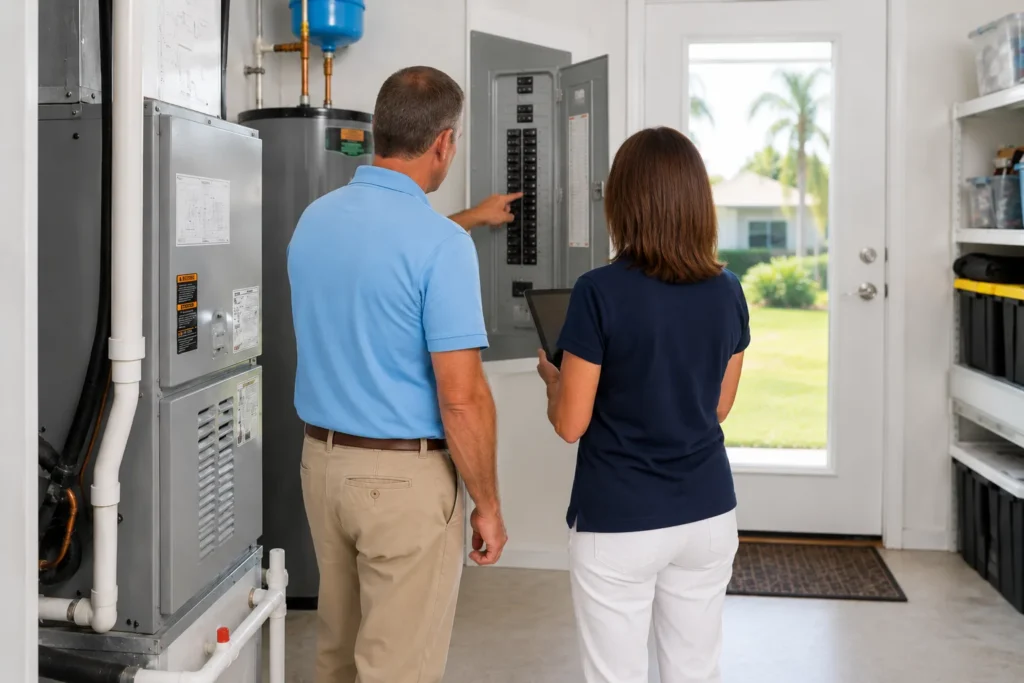
When you’re far away from your Florida home, it’s reassuring to know that someone local is keeping an eye on things.
At In The Bubble Home Watch, we perform scheduled visual inspections designed to identify issues before they have the opportunity to become more serious. During our visits, we know what warning signs to look for around your HVAC system, including unexpected moisture, water accumulation, elevated humidity, or other visible conditions that may indicate a developing problem.
As part of our service, we can also flush your HVAC condensate drain line during our visits, helping to reduce buildup during the hot summer months when algae growth is most common. Combined with routine professional HVAC maintenance, this provides an additional layer of care while you’re away.
If we notice anything that appears unusual, we promptly notify you so that appropriate action can be taken before a small issue potentially turns into a larger repair.
For many seasonal residents in The Villages, having a trusted local team regularly checking on their home provides valuable peace of mind throughout the summer.
Final Thoughts
HVAC drain line clogs are a common but often overlooked issue in Florida homes. While many systems include protective features and routine maintenance can reduce risk, properties that sit vacant for extended periods deserve special attention.
Understanding the causes of HVAC drain line clogs and taking simple preventative steps can help homeowners protect their property while they’re away. By combining regular HVAC servicing with periodic visual Home Watch visits, homeowners can stay informed about visible changes and enjoy greater peace of mind while spending time away from The Villages.
Frequently Asked Questions
How often should an HVAC drain line be cleaned?
Many Florida HVAC professionals recommend inspecting and cleaning the condensate drain line every six months as part of routine maintenance. Because every system is different, homeowners should consult their own HVAC provider for recommendations specific to their equipment and usage.
Can a clogged drain line cause water damage?
If water cannot drain properly, it may accumulate where it shouldn’t. Prompt attention to visible warning signs can help homeowners arrange appropriate repairs before more significant issues develop.
Should I turn my air conditioner off when I leave for the summer?
Yes. In Florida, it’s generally recommended to leave your air conditioning system running while you’re away to help control indoor temperature and humidity. Turning the system off completely can allow excessive heat and moisture to build up inside the home, potentially increasing the risk of mold, mildew, and other humidity-related issues.
Can Home Watch visits help reduce the risk of costly surprises?
While no service can prevent every problem, regular Home Watch visits can help identify visible issues sooner. At In The Bubble Home Watch, we perform scheduled inspections, monitor for signs of moisture or other unusual conditions, and can flush HVAC drain lines as part of our visits, giving homeowners added confidence while they’re away.
Does Home Watch include HVAC servicing?
No. Home Watch is a visual inspection service. At In The Bubble Home Watch, we observe visible conditions and notify homeowners of anything that appears unusual, but technical diagnosis and repairs should be performed by qualified HVAC professionals.